Sou
th of
Memory
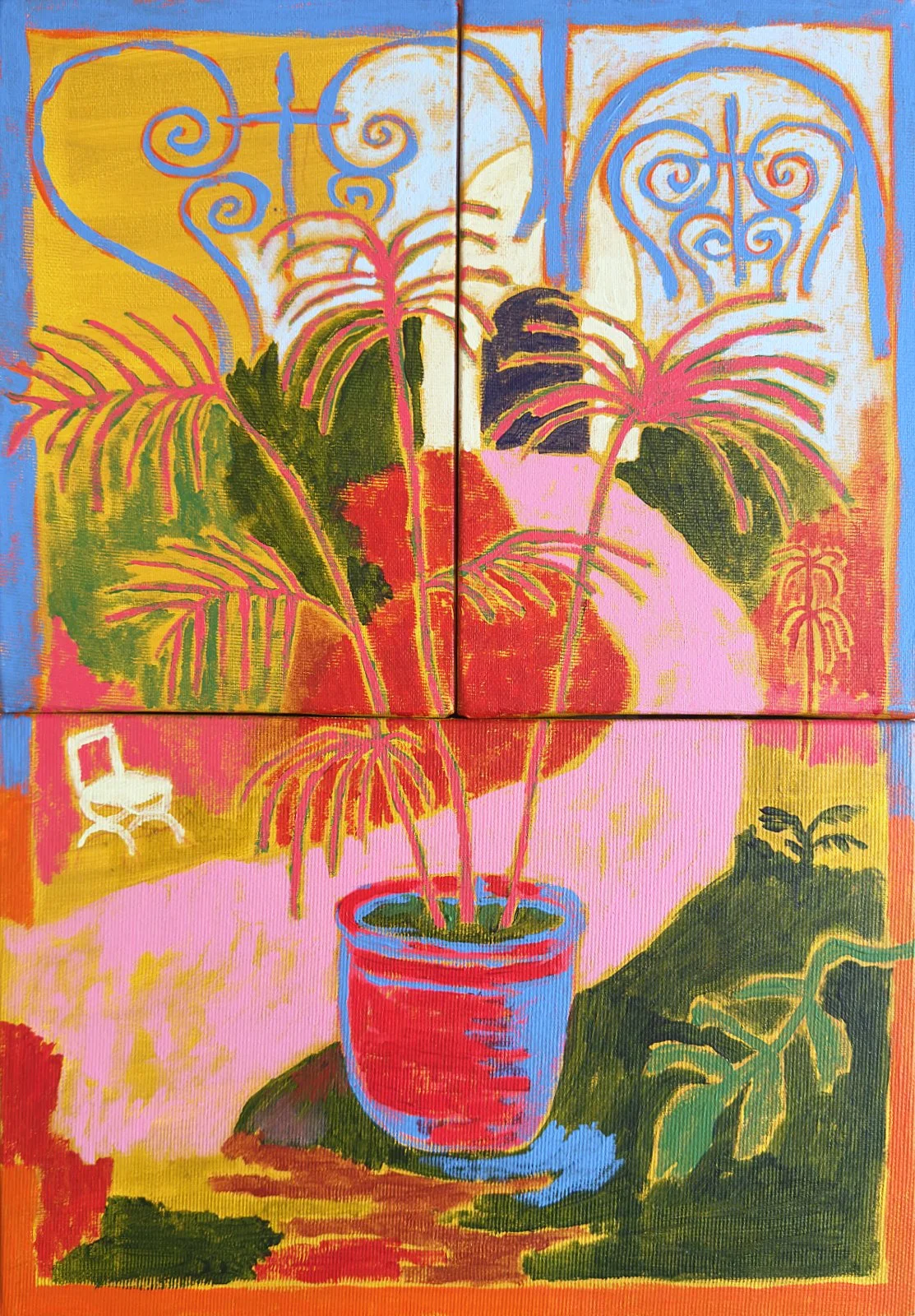
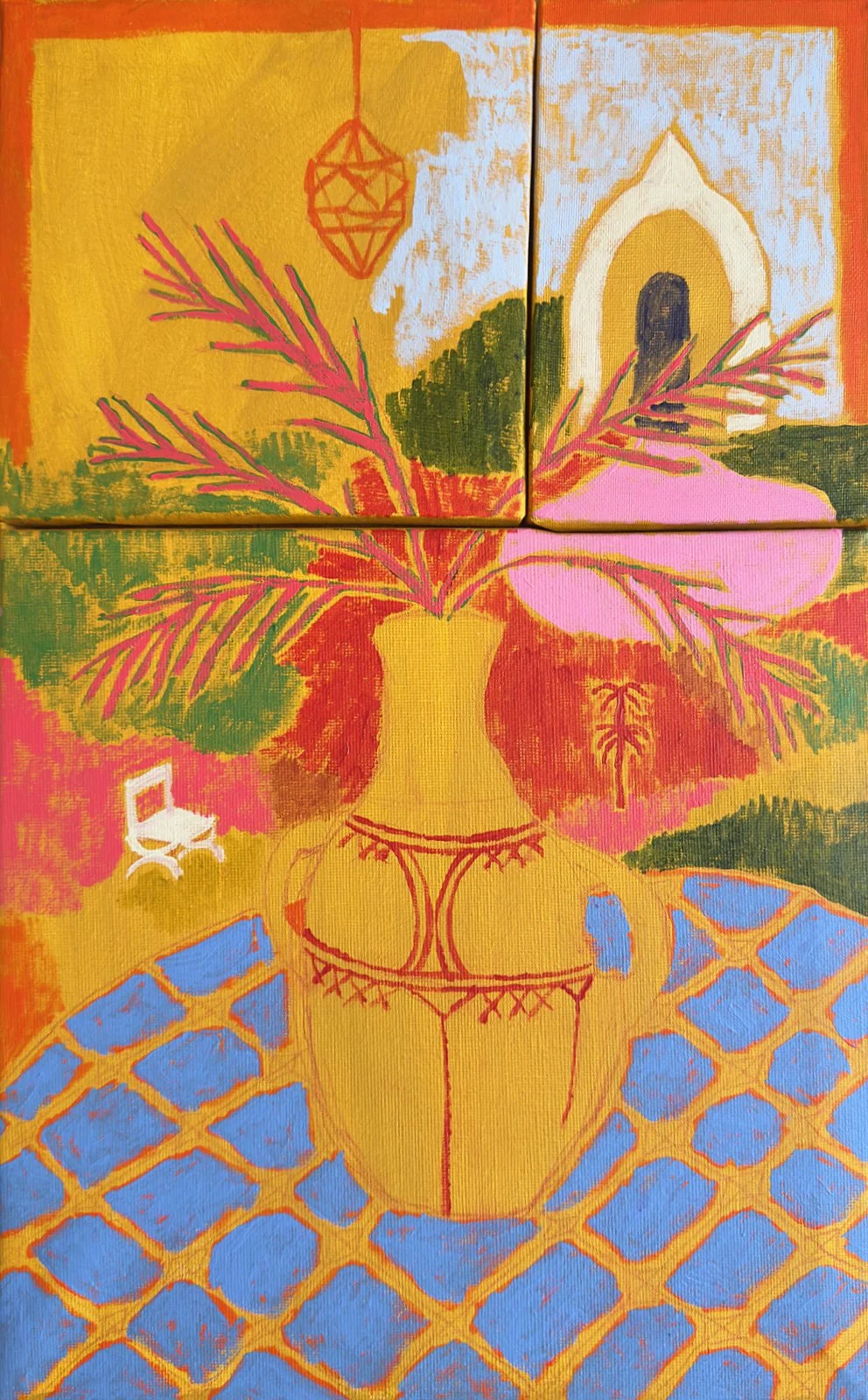
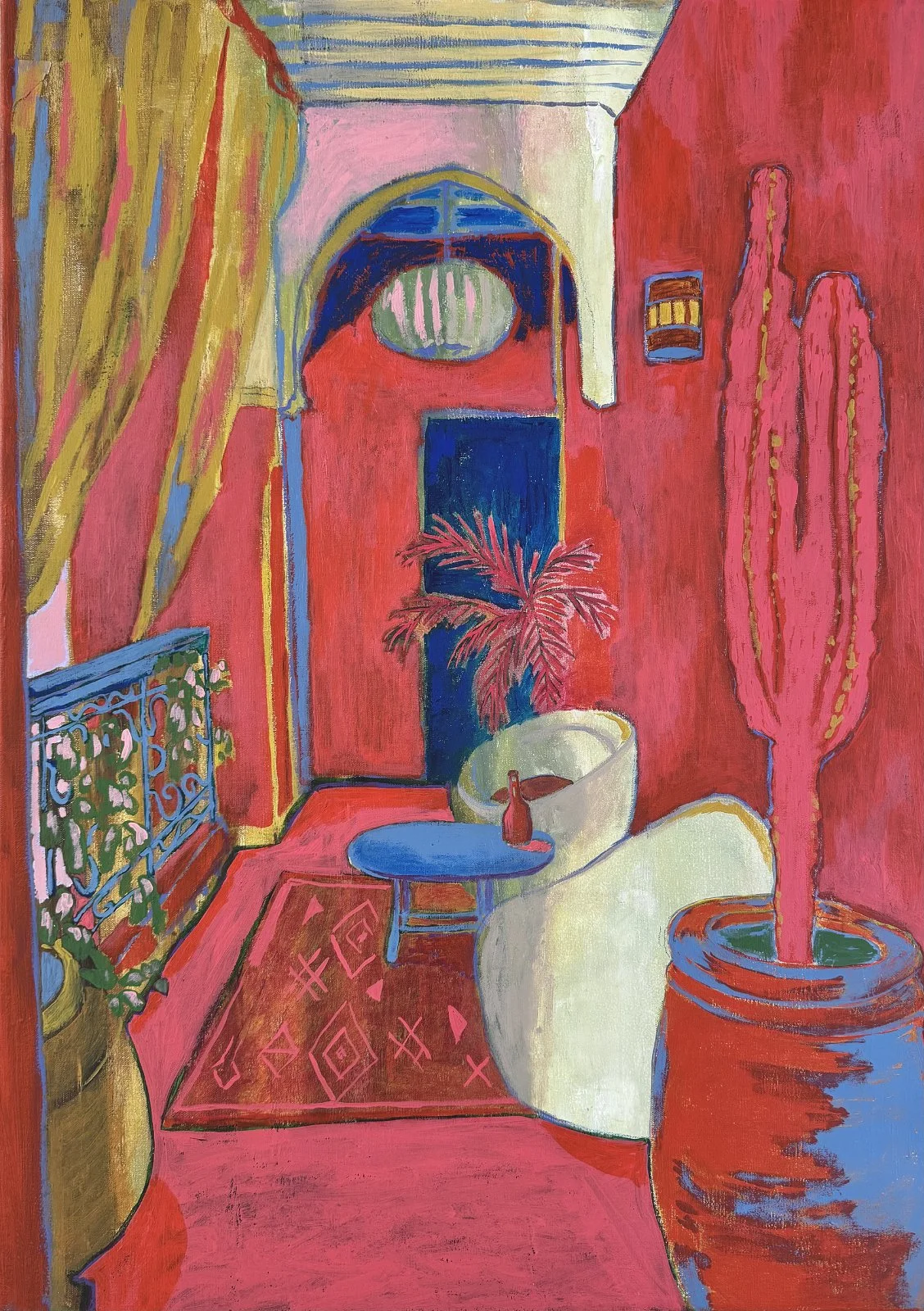
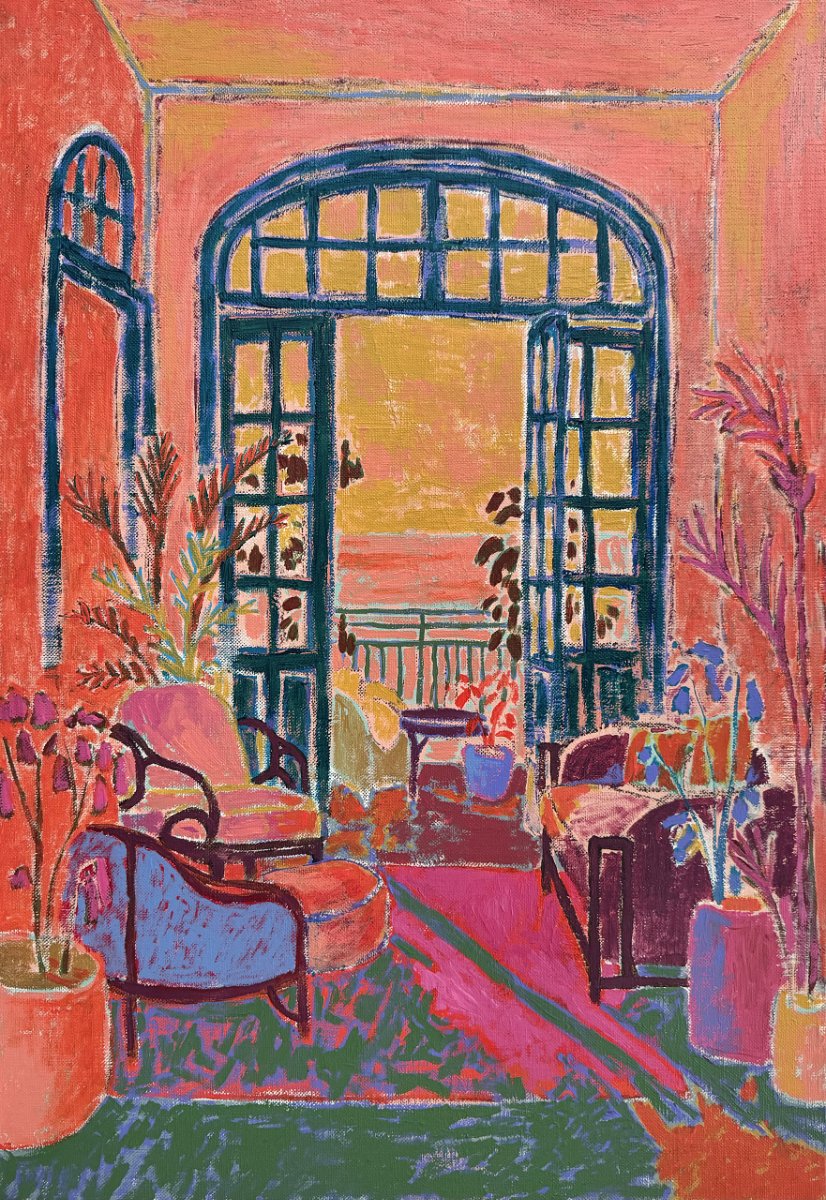
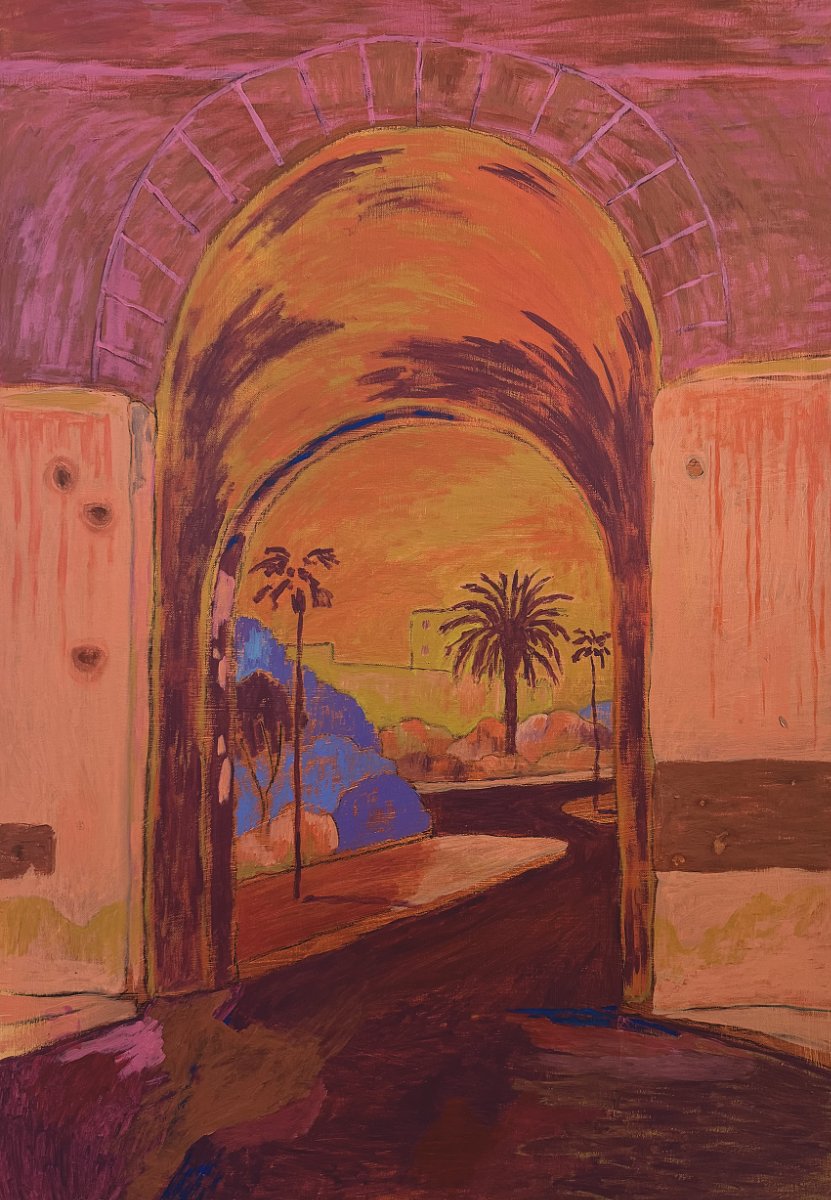
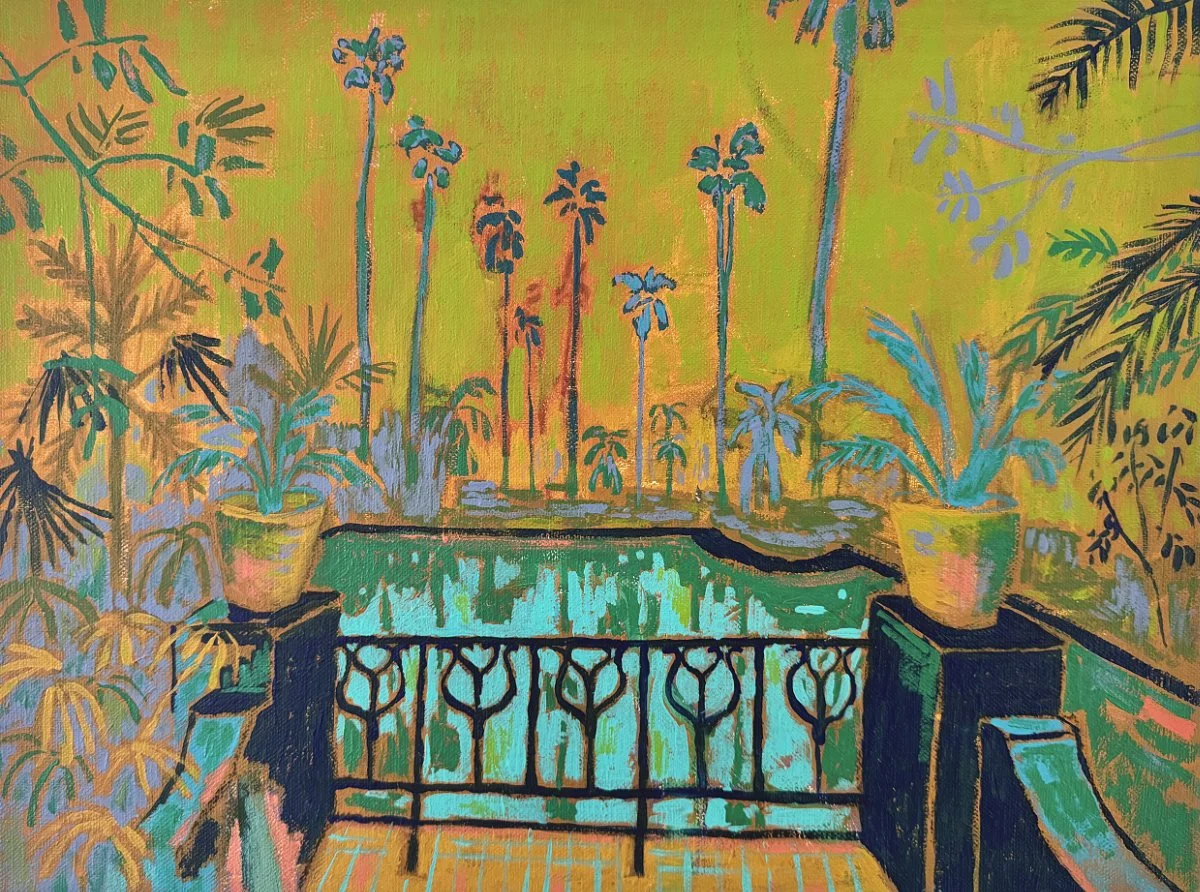
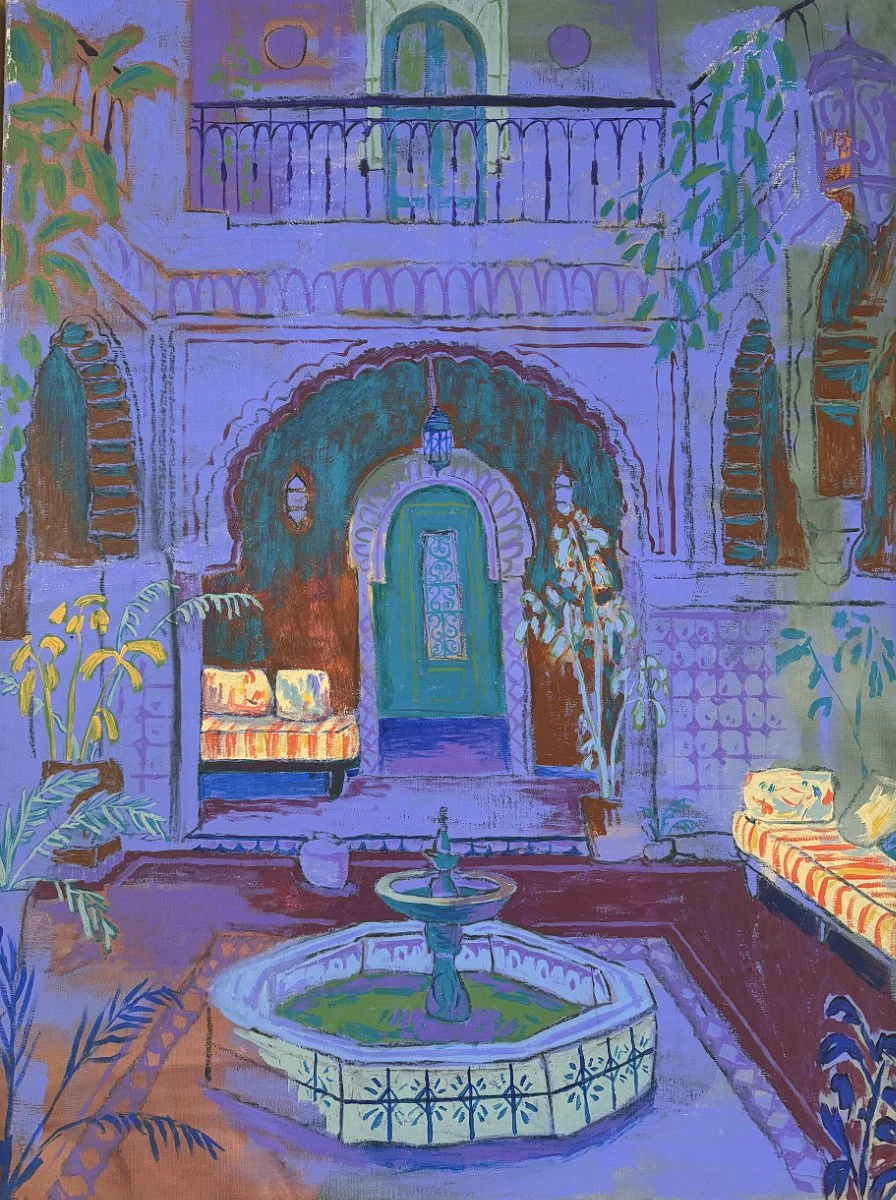
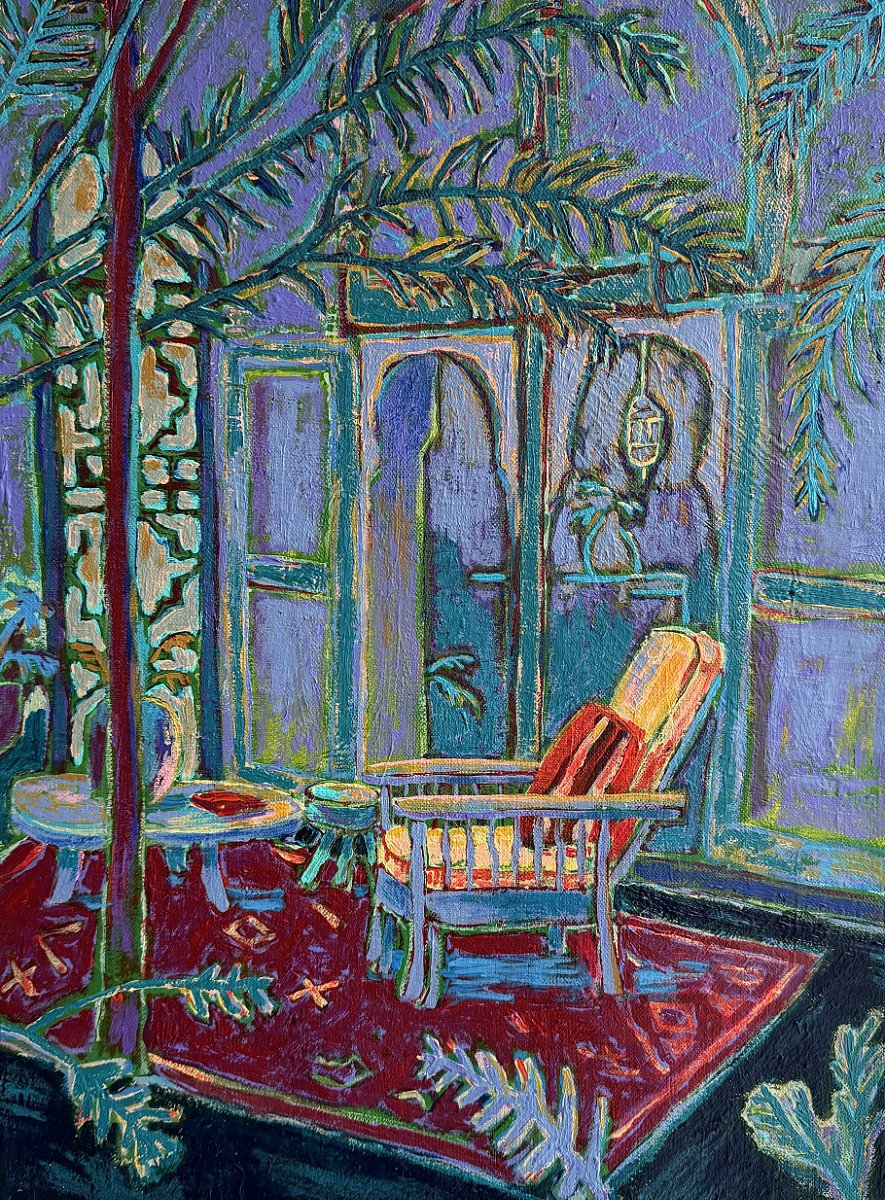
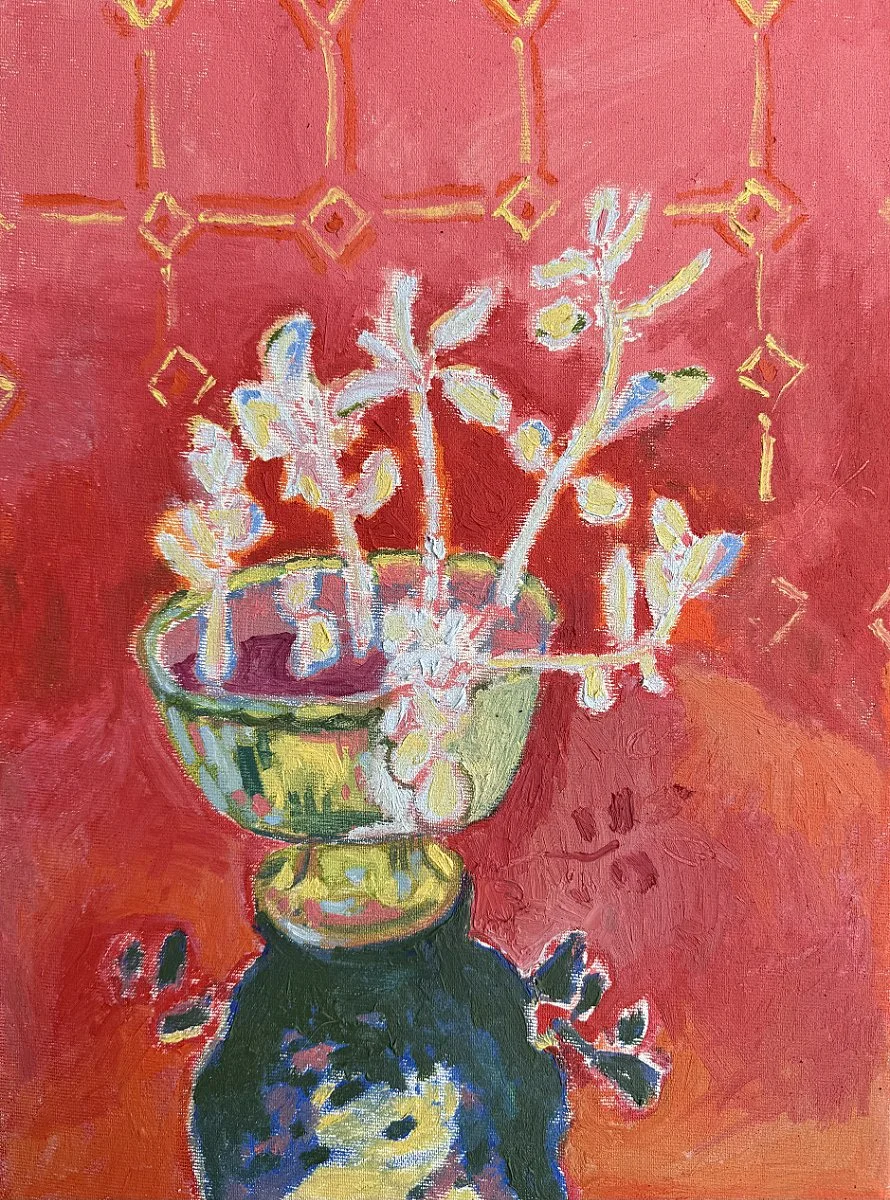
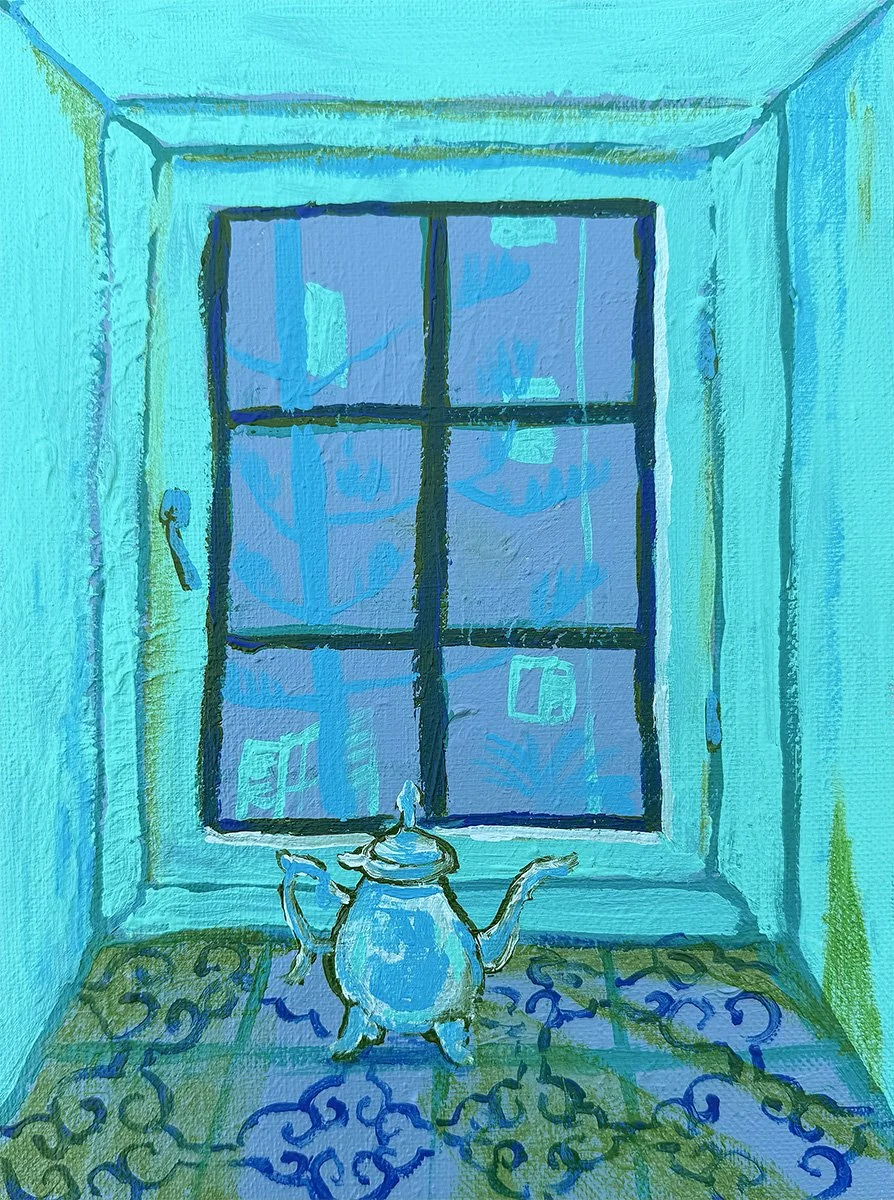
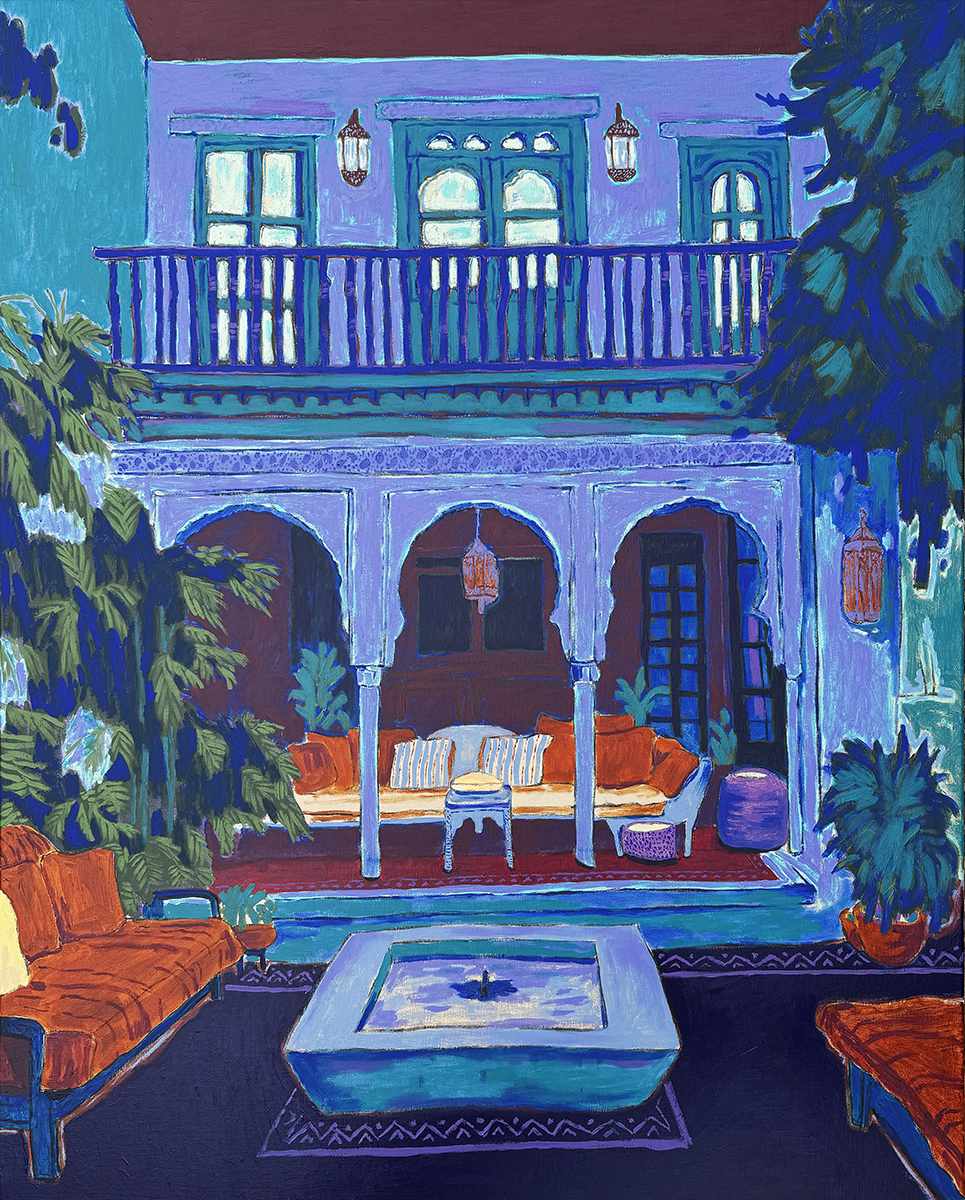
In South of Memory, landscapes, streets, and interiors appear as fragments suspended somewhere between observation and recollection. The paintings do not attempt to document a place so much as trace the emotional atmosphere it leaves behind.
Moments of heat, silence, distance, and fading light return like incomplete memories — altered slightly through time, sensation, and imagination. Architecture softens into color; shadows drift; space loosens from the logic of geography and begins to feel shaped more by perception than by place itself.
Moving between intimacy and disorientation, the works evoke the sensory texture of recollection: warm air, fragments of conversation, the feeling of having been somewhere once, without fully being able to return to it. What remains is not the certainty of a location, but an atmosphere carried forward through memory — something suspended quietly between presence and disappearance.